How do you choose a private eye surgeon near Ipswich or Bury St Edmunds?
The shortest answer is this: look beyond postcode and price, and focus on who assesses you, who operates, and who follows you up afterwards. For anyone considering private eye surgery near Ipswich or Bury St Edmunds, the biggest difference often lies in continuity with a named consultant ophthalmologist and the range of procedures available under one roof.
The Persistent Confusion About Private Eye Surgery Choices
Many people treat private eye surgery as if it works like catching a train to a bigger station. They assume London must offer the strongest option, and anything closer to home must be a compromise.
That assumption does not reflect how ophthalmology works. A consultant ophthalmologist with the right training, accreditation, and surgical experience can provide expert care outside the capital, including for laser vision correction, lens replacement surgery, and private cataract treatment. Local care can also remove a layer of strain that people often underestimate until they start arranging appointments, transport, and follow-up visits.
Part of the confusion comes from how different private models are presented. Some services are built around volume and convenience, with separate teams handling consultation, surgery, and aftercare. Others are consultant-led from start to finish, which means one surgeon assesses the eyes, decides whether treatment is suitable, performs the procedure, and reviews recovery personally.
That distinction affects more than the atmosphere of the clinic. It shapes clinical judgement, handover quality, and patient confidence at every stage.
A simple way to compare the two models is to look at who does what:
- In a consultant-led setting, one named surgeon remains responsible throughout your care.
- In a more fragmented model, you may meet different clinicians at consultation, surgery, and follow-up.
- In personal eye care, decisions can be adjusted around your prescription, corneal shape, lens changes, visual needs, and long-term eye health.
For someone seeking private eye surgery in Ipswich, Suffolk, or eye surgery near Bury St Edmunds, that local consultant relationship often matters more than the assumption that farther away must mean better.
Discuss your vision goals with our experienced consultant and receive a thorough personal assessment.
EnquireThe Real Differences in Private Eye Surgery Procedures
The phrase private eye surgery covers several very different treatments. Technology matters, but the larger issue is choosing the right procedure for the right eye at the right stage of life.
LASIK, or Laser-Assisted In Situ Keratomileusis, is the laser procedure most people recognise. A thin flap is created in the cornea, which is the clear front surface of the eye, and laser treatment reshapes the tissue underneath to correct focus. Recovery is often fairly quick, which explains why LASIK remains popular with working adults who want less dependence on glasses or contact lenses.
TransPRK is another laser option, but it works on the corneal surface and does not involve creating a flap. That can make it suitable for some people with thinner corneas or particular prescription patterns. Recovery is usually slower than LASIK, with more early discomfort, so suitability depends on eye anatomy and lifestyle as much as prescription.
Lens replacement surgery, also called refractive lens exchange or RLE, involves removing the eye’s natural lens and replacing it with an artificial lens. For many people over 50, especially those noticing reading difficulties or early lens changes, this may be a better fit than corneal laser surgery. Lens choices can include monofocal lenses for one main distance or multifocal lenses that aim to reduce the need for glasses at more than one distance.
ICL, short for implantable contact lens, is different again. The natural lens stays in place, and an additional lens is implanted inside the eye to correct higher prescriptions that may not suit laser treatment. That makes ICL a useful option in selected cases where corneal laser surgery is not ideal.
Procedure names are only the starting point. A consultant-led practice uses them as tools, not as a fixed menu. One patient may be best served by LASIK, another by TransPRK, and another by lens replacement because age, corneal thickness, dry eye symptoms, and early cataract change all alter the decision.
Training also matters here. Refractive surgery qualifications such as CertLRS from the Royal College of Ophthalmologists show specific expertise in laser refractive work. A surgeon who also understands cataract and corneal disease can judge more accurately whether a person asking for laser treatment actually needs a different plan. That sort of judgement becomes especially valuable when the eyes sit in the grey area between straightforward and complex.
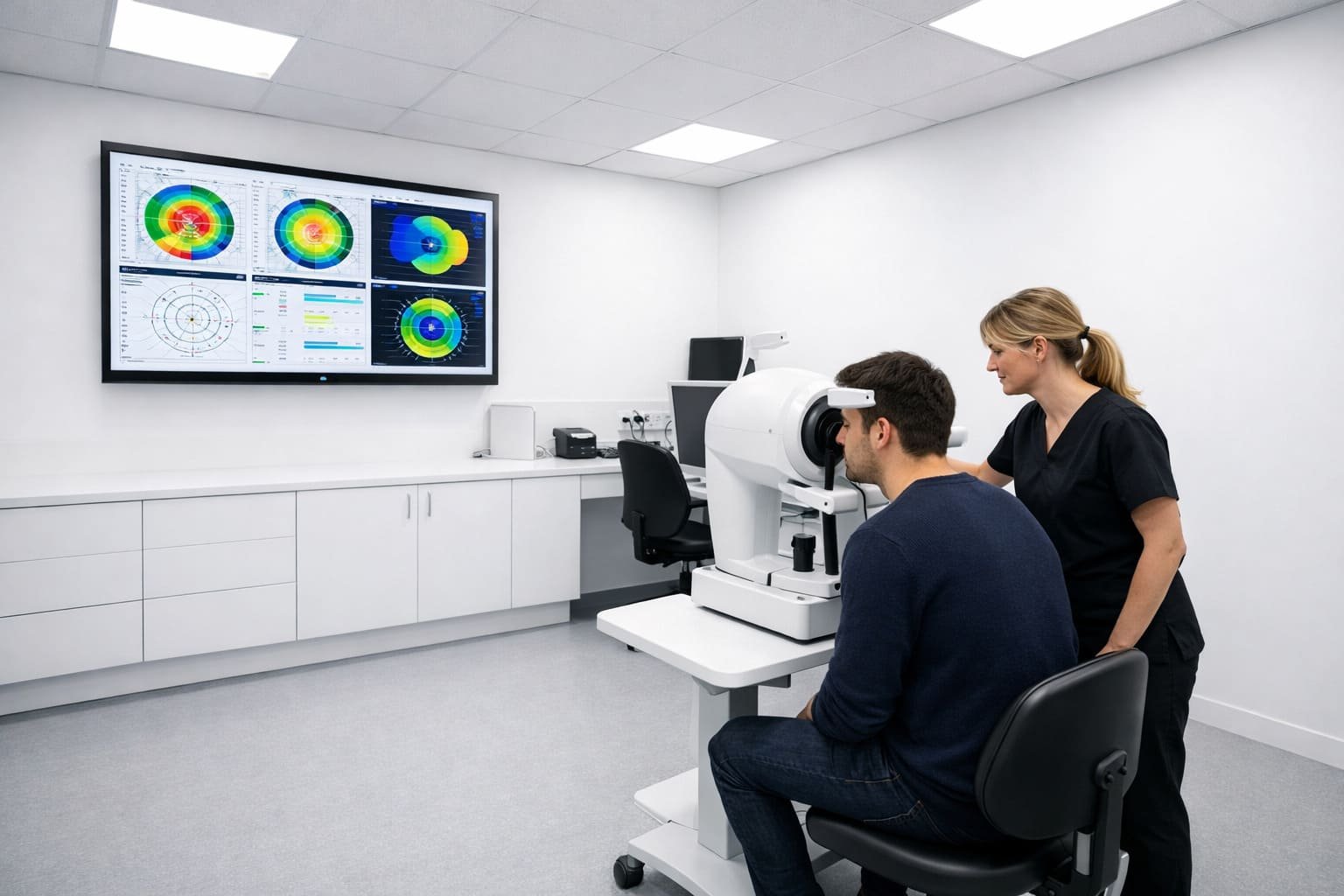
Check if your consultation will be with the same surgeon who handles your operation and aftercare, as this supports consistent decision making.

The Pathway: What to Expect from Consultation to Recovery
Most anxiety about eye surgery comes from uncertainty, not from the procedure name itself. People want to know who they will meet, what will happen on the day, and what recovery will actually feel like.
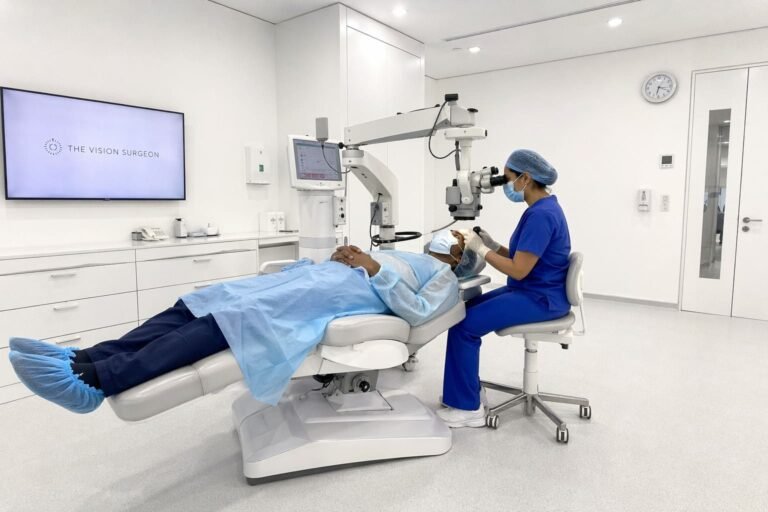
Picture the timeline in ordinary terms. You attend an assessment, your eyes are measured in detail, treatment is discussed, surgery takes place on a planned date, and follow-up checks confirm that the eyes are healing as expected. The calmer experience comes from knowing that the same surgeon remains involved throughout.
At The Vision Surgeon, that continuity is central to the process, with Mr Mukherjee assessing and treating patients personally.
The pathway usually looks like this:
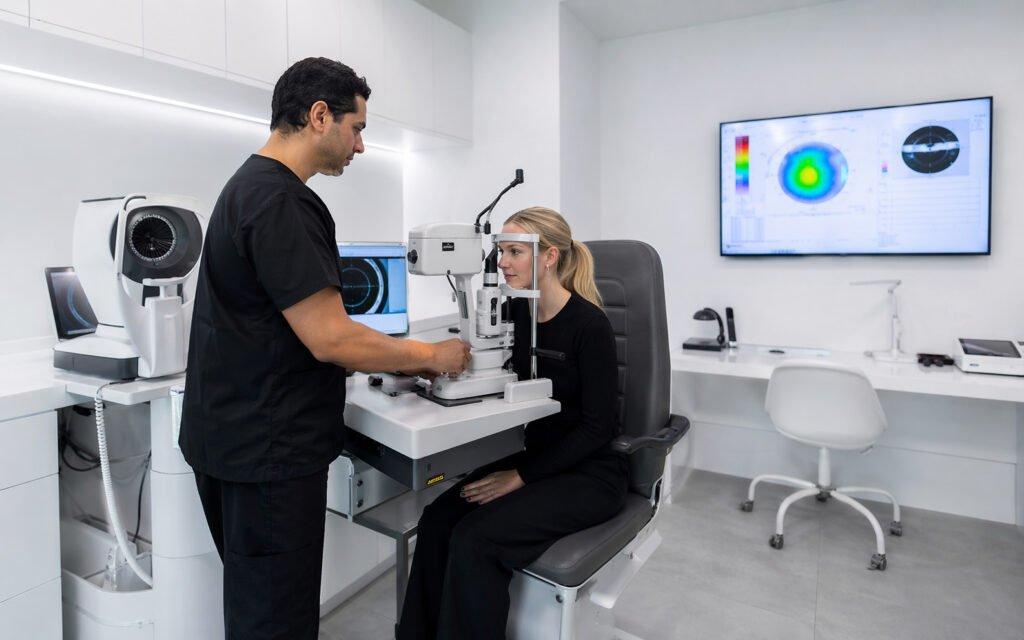
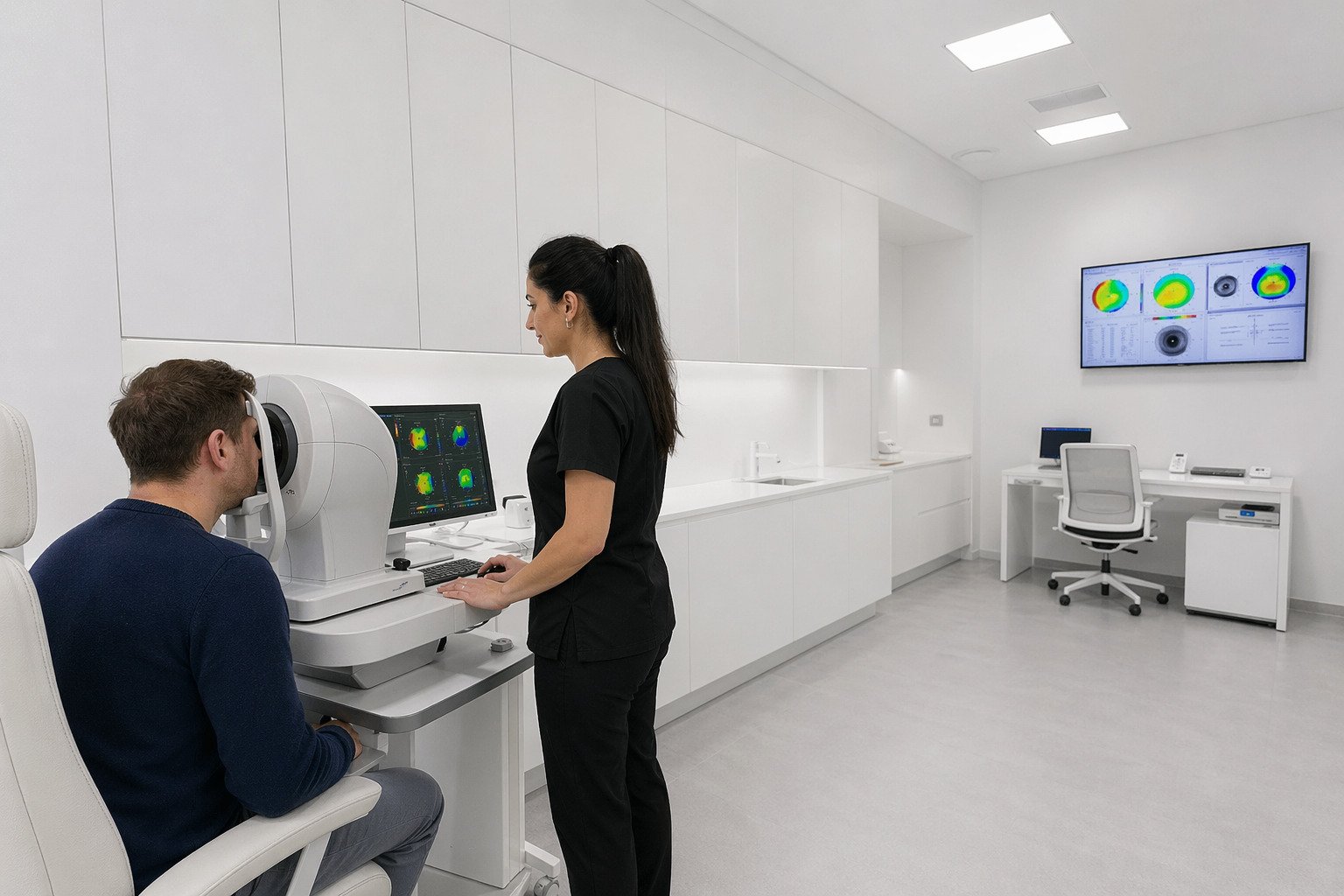
- Consultation and testing: your prescription, corneal measurements, lens status, eye pressure, tear film, and general eye health are reviewed to decide whether surgery is suitable and which procedure fits best.
- Surgical planning: the chosen treatment is explained clearly, including likely recovery, possible side effects, and any limits to what surgery may achieve.
- Day of surgery: the procedure itself is usually short, although the full appointment takes longer because preparation and immediate checks are part of safe care.
- Aftercare: review appointments monitor healing, vision, comfort, and any early symptoms that need attention.
A proper consultation should feel detailed rather than rushed. If you are considering laser eye surgery options, you should expect questions about night driving, screen use, sport, reading needs, dry eye symptoms, and whether your prescription has been stable. If the discussion centres only on selling a procedure, the assessment has missed the point.
On the day of surgery, practical details matter more than glossy presentation. Patients generally want a calm environment, a team that knows the plan, and a surgeon who is present and accountable. Clinics regulated through the CQC framework and surgeons working under GMC standards are expected to maintain those basics, but the patient experience often depends on consistency and communication.
Recovery varies by procedure. LASIK often settles faster than TransPRK. Lens replacement and private cataract surgery have their own timeline, with sight often improving in stages as the eye heals and adapts. Grittiness, blur, halos, light sensitivity, and fluctuating vision can occur during the early period, depending on the treatment and the individual eye.
Follow-up appointments are where continuity proves its worth. A surgeon who performed the original assessment understands the pre-operative measurements, the chosen treatment plan, and any concerns raised before surgery. That context cannot be recreated perfectly from notes alone, particularly when symptoms sit in the area between expected healing and something that needs a closer look.
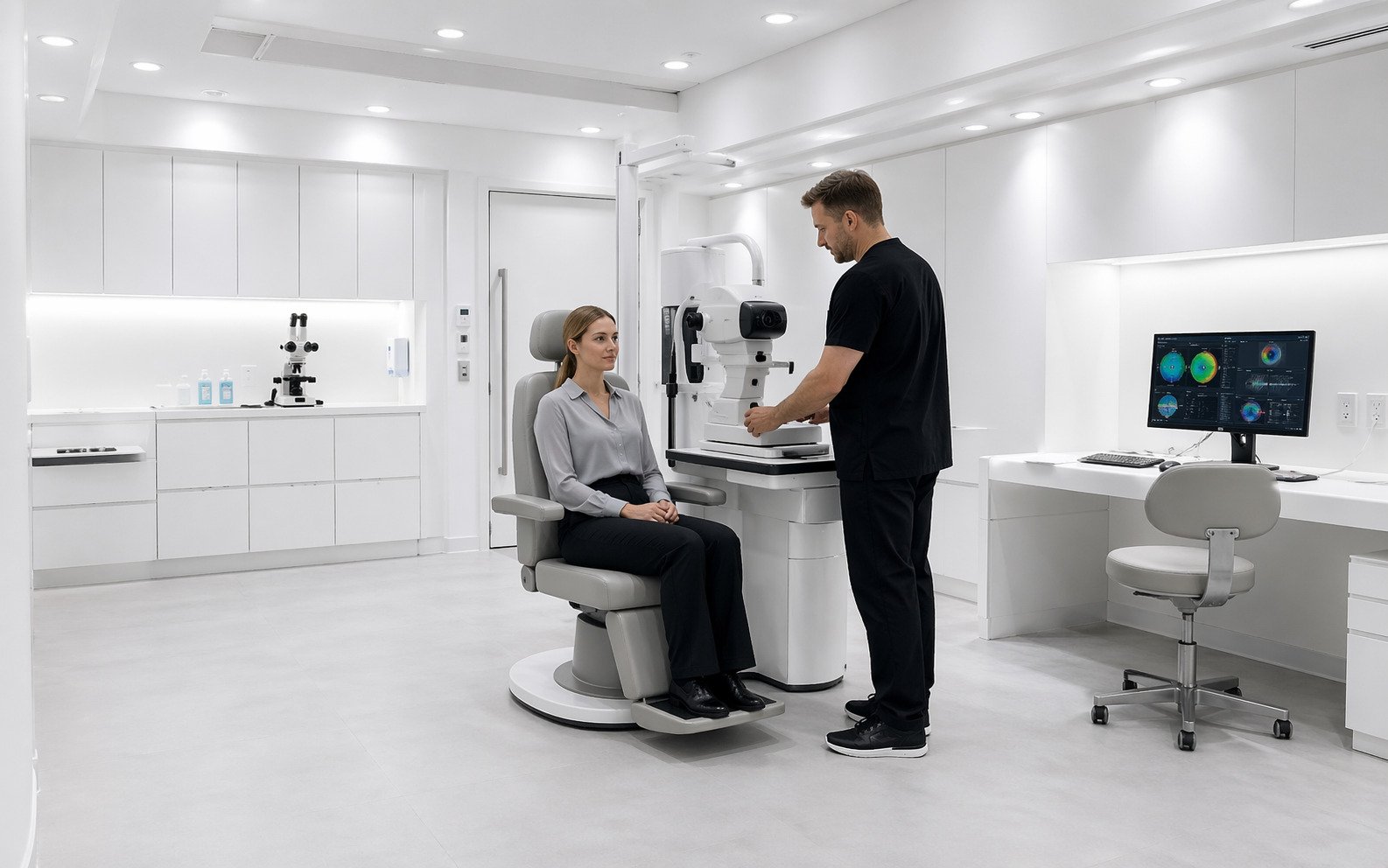
Ask about refractive surgery qualifications such as CertLRS to ensure your surgeon has specific expertise in laser and lens procedures.
The Problem with Relying on Price Alone
Price can look clear on a webpage and still tell you very little. Eye surgery is closer to commissioning specialist medical care than buying a standard item off a shelf.
Part of the fee reflects the procedure itself, but another part reflects everything around it: the surgeon’s experience, diagnostic testing, clinical time, theatre standards, lens selection, and aftercare. A lower advertised figure may not represent the same level of continuity or the same breadth of decision-making.
Indicative private fees also vary by treatment. LASIK is often quoted around £1,400 to £1,800 per eye. Lens replacement surgery and private cataract surgery may range from about £2,000 to £4,000 per eye depending on the lens used. ICL is commonly higher than corneal laser treatment. Those figures are guides rather than promises, because the final recommendation depends on examination findings and lens choice.
What price usually covers in practice includes:
- Pre-operative assessment and imaging
- The surgeon’s time and procedure planning
- Theatre or laser suite costs
- The implanted or laser-based treatment itself
- Aftercare appointments in the early recovery period
Value, though, is broader than the invoice. A surgeon who recommends against LASIK because early lens change makes RLE the better choice may save a patient from paying for the wrong treatment. A discussion about multifocal lenses may affect reading vision for years, which means that lens planning has a practical cost implication far beyond the day of surgery.
Some people also compare surgery costs with years of glasses, prescription sunglasses, contact lenses, solutions, and repeat eye tests. That comparison does not make surgery right for everyone, yet it does show why a simple headline price can be misleading.
Medical advertising rules under ASA/CAP standards make careful pricing language especially important. Sensible clinics present fees as indicative, explain what affects the total, and avoid treating eye surgery like a retail promotion. In this field, transparency carries more weight than a low starting number.

Get answers to your questions about surgery, aftercare and the benefits of consultant-led treatment.
Message UsThe Long View: Why Surgeon Continuity Changes Everything
Years after surgery, most people do not remember the reception area or the wording on a brochure. They remember whether they felt known, whether decisions made sense, and whether the same surgeon stood behind the whole process.
Continuity changes the quality of judgement before any laser fires or any lens is implanted. A consultant ophthalmologist who has examined the eye personally can balance refractive aims against dry eye, corneal shape, glaucoma risk, lens changes, and future visual needs. That same continuity also changes the meaning of aftercare, because follow-up is no longer a separate service detached from the original decision.
Fragmented care can still be organised and professional, but it asks the patient to trust a chain of handovers. Consultant-led care places responsibility in one pair of hands. In eye surgery, where small findings can alter a treatment choice and subtle symptoms can matter in recovery, that continuity is the point on which everything else turns.