
What changes in your eyes with age, and how do you know when surgery may be worth considering?
Ageing eyes often go through gradual, predictable changes such as needing brighter light to read, struggling with close work, or noticing more glare at night. Some of these shifts are part of normal eye ageing, but others can point to conditions such as cataract, glaucoma, or macular degeneration that need assessment. Surgery is usually considered when vision changes start affecting daily life or when an eye specialist finds a condition that is unlikely to improve with glasses alone.
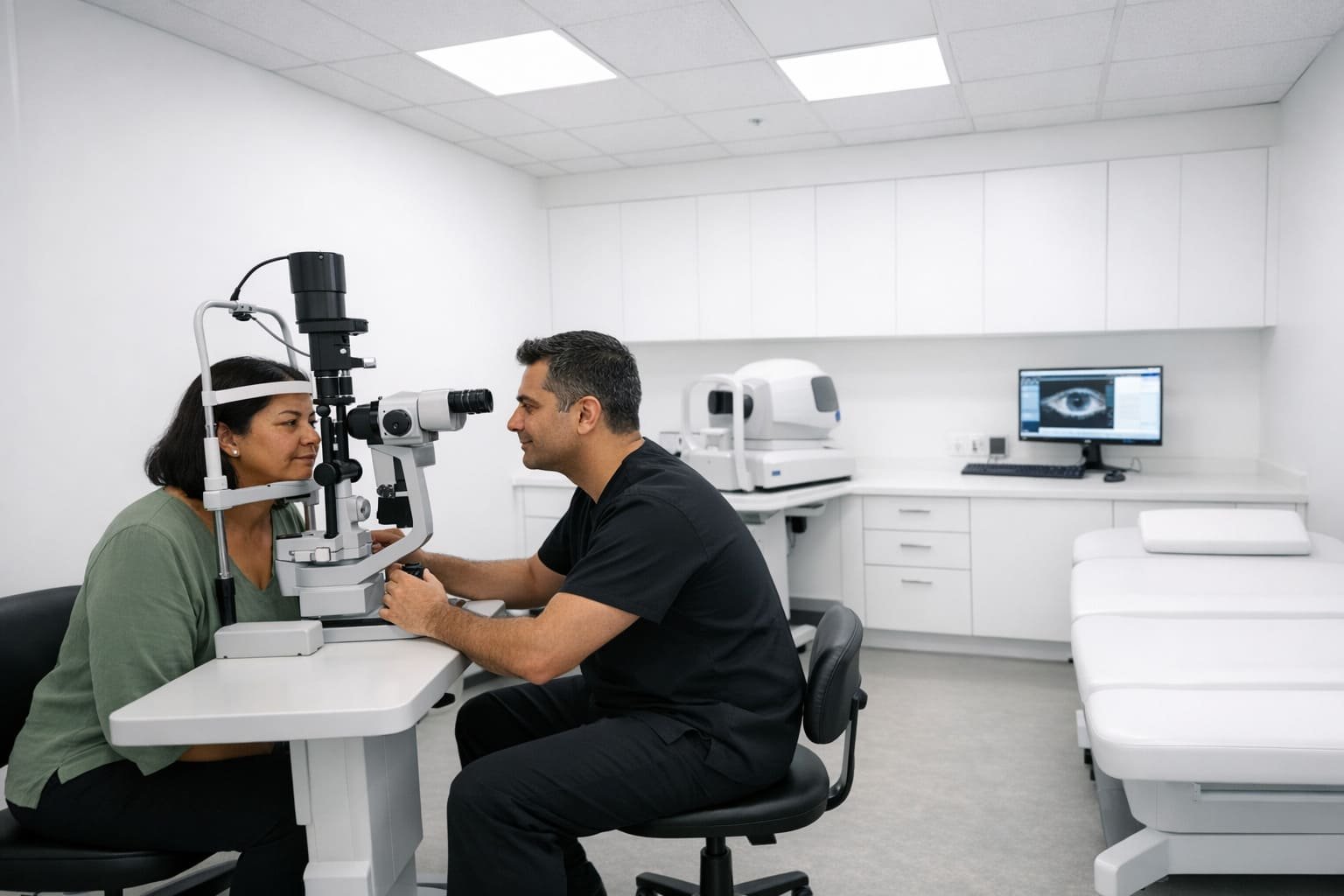
How Ageing Affects Your Eyes: The Natural Changes Over Time
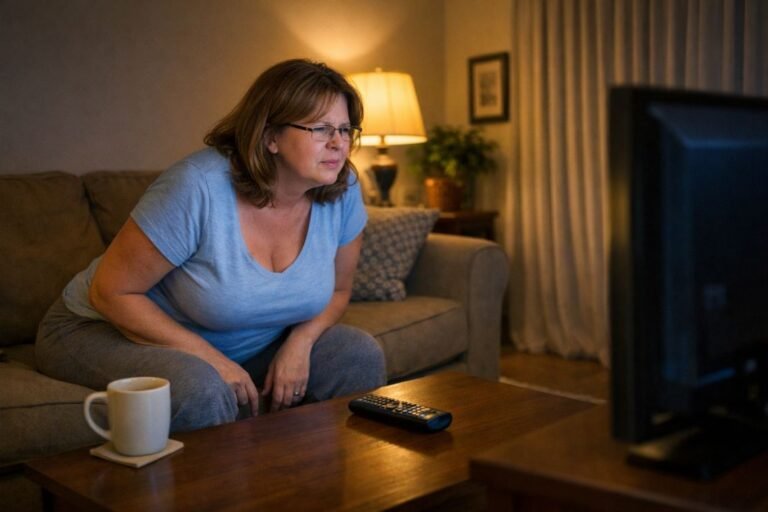
Many people first notice ageing eyes in ordinary moments. A restaurant menu seems harder to read, road signs feel less crisp after dark, or bright headlights create more glare than they used to.
Some of these changes are expected. Presbyopia, which is the gradual loss of near focusing ability, becomes common from the 40s onwards. That is why reading glasses often enter the picture even for people who have never worn spectacles before.
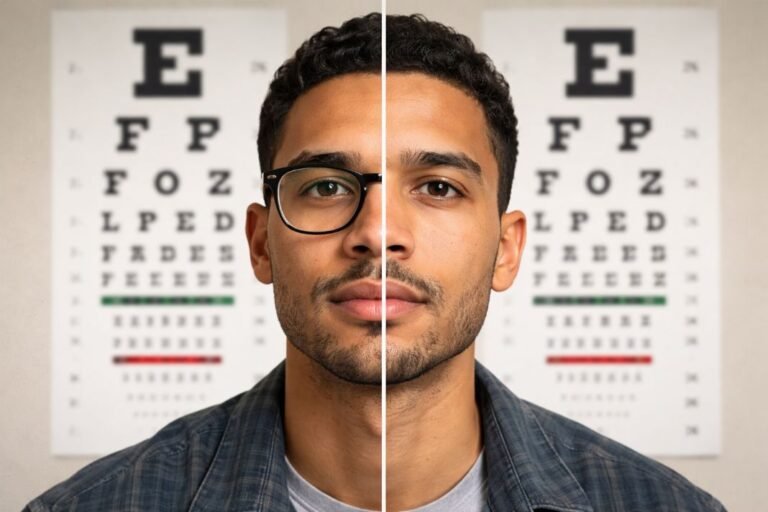
The natural lens inside the eye also changes over time. It can become less clear and less flexible, which may lead to blurred vision, fading colour contrast, and more sensitivity to glare. Cataract is part of that ageing process, although the speed and impact vary from person to person.
Tear production can alter as well. Dry eye may cause grittiness, watering, fluctuating vision, or discomfort during screen use, reading, or contact lens wear. Older adults often assume watering means the eyes are too wet, but irritation can actually trigger reflex tearing.
A few common changes many people notice include:
- Needing more light for reading
- Taking longer to adjust between bright and dim settings
- Finding close print harder to focus on
- Seeing more glare or halos at night
- Noticing occasional floaters
Floaters can be harmless, especially if they appear gradually and stay stable. Even so, a sudden shower of floaters, flashes of light, or a curtain-like shadow across the vision needs urgent attention.
Normal eye ageing does not mean every change is benign. Eye health over 50 deserves the same calm attention as hearing, joints, or blood pressure, especially if new symptoms begin to interfere with reading, driving, or recognising faces.
Recognising When Vision Changes Are More Than Just Ageing
Gradual change is common with age, but sudden change is different. Vision that drops quickly, distorts, or becomes painful should never be brushed off as “just getting older”.
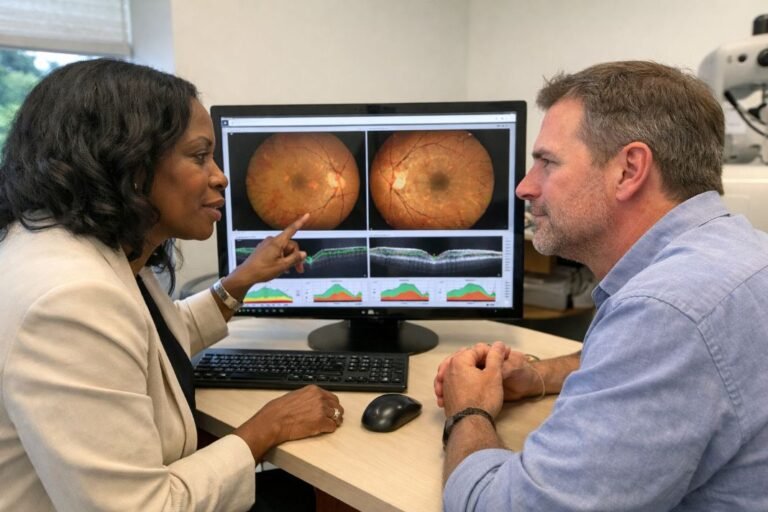
Certain symptoms deserve prompt assessment by an optometrist or ophthalmologist. An optometrist can detect many problems during routine eye checks, and an ophthalmologist is the medical eye specialist who assesses eye disease and surgery.
Seek urgent advice if you notice:
- Sudden vision loss in one or both eyes
- New flashes and a sudden increase in floaters
- Eye pain, especially with redness or blurred vision
- Double vision that starts unexpectedly
- A shadow or curtain effect in your sight
- Halos around lights with pain or quickly worsening blur
Other warning signs may not be urgent on the same day, although they still merit assessment. These include a rapid change in glasses prescription, increasing difficulty with night driving, patchy side vision, or straight lines appearing bent. Family history matters too, particularly with glaucoma and some retinal conditions.
Regular eye examinations remain important with age, even if vision feels broadly acceptable. NHS sight tests and community optometry services often pick up changes before they are obvious in daily life, which can make treatment simpler and timing more straightforward.
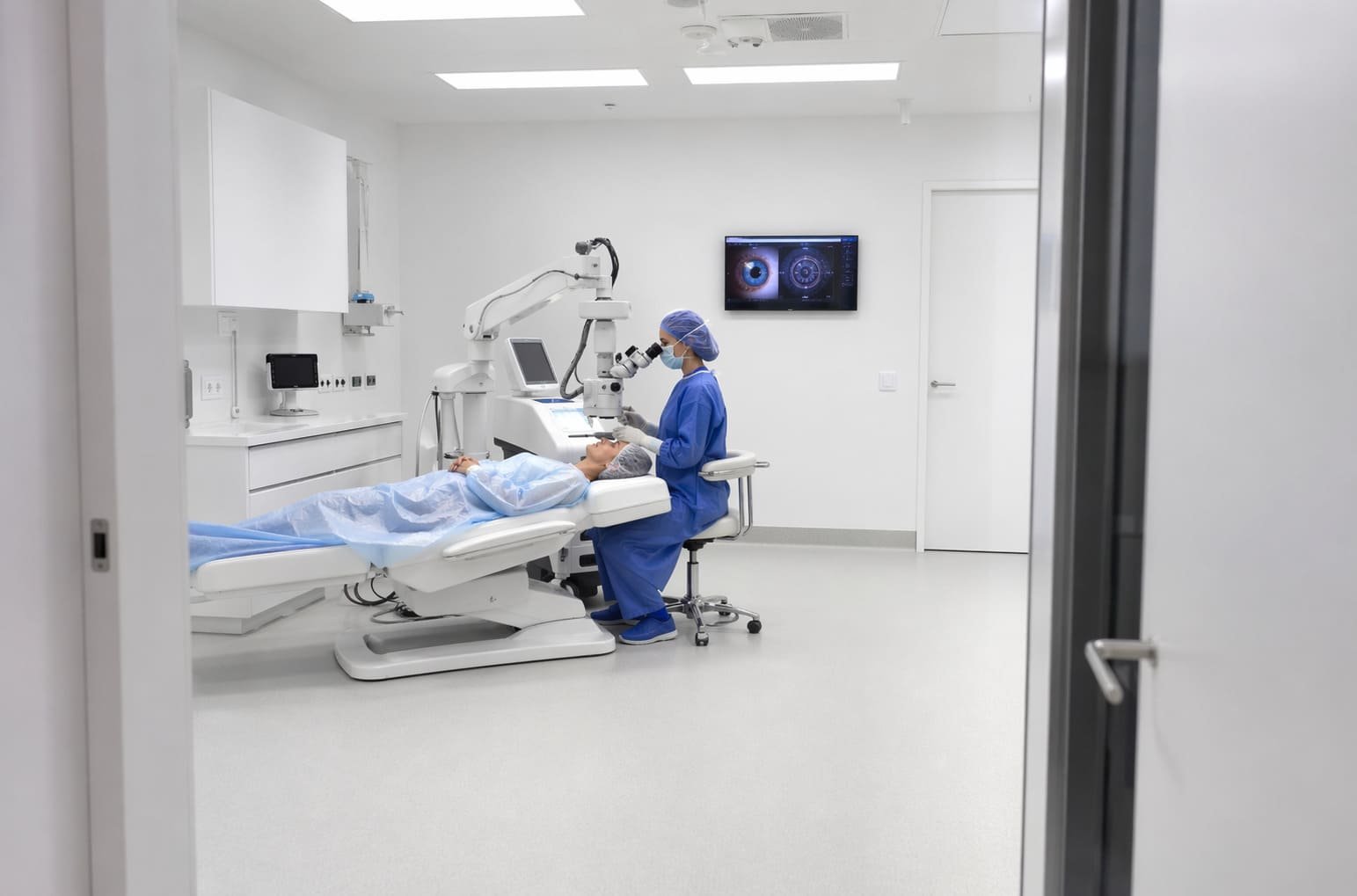
Discuss your vision goals with our experienced consultant and receive a thorough personal assessment.
EnquireCommon Age-Related Eye Conditions and Their Impact
Several common eye conditions in older adults affect vision in different ways. Knowing what each one tends to feel like can make the whole subject less mysterious.
Cataract
Cataract is the gradual clouding of the eye’s natural lens. People often describe it as looking through a smeared window or noticing stronger glare from headlights, especially in poor weather or low light.
Daily tasks can become frustrating before vision feels severely reduced. Reading may need brighter light, colours can appear duller, and frequent lens changes may stop giving useful improvement. Cataract surgery removes the cloudy lens and replaces it with a clear artificial lens.
Presbyopia
Presbyopia is not a disease. It is an age-related focusing change that makes near work harder, which means that reading a phone, a label, or a book may require longer arms and better lighting.
Glasses are the simplest answer for many people. Some choose contact lenses, and others consider lens replacement surgery if they want a more lasting way to reduce dependence on spectacles, particularly once they are older and laser treatment is less suitable.
Glaucoma
Glaucoma refers to a group of conditions that can damage the optic nerve, often in association with raised intraocular pressure. Early glaucoma may have no obvious symptoms, so screening and regular checks matter.
Vision loss from glaucoma tends to affect side vision first, and that can happen so slowly that people do not notice until the disease is more advanced. Management may involve drops, laser treatment, monitoring, or surgery depending on the type and severity.
Age-related macular degeneration
Age-related macular degeneration affects the macula, the central part of the retina used for detailed sight. Reading, recognising faces, and seeing fine detail may become harder, even if side vision remains fairly good.
Blur in the centre of vision or distortion of straight lines should be assessed. Treatment depends on the form present, and early review is especially important if symptoms have changed quickly.
Dry eye syndrome
Dry eye in ageing can sound minor, but it can have a real effect on comfort and visual quality. The eyes may sting, burn, water, or feel tired by the afternoon, particularly with heating, wind, or long periods at a screen.
Artificial tears, changes in eyelid care, and advice on the underlying cause can improve symptoms in many cases. A person who has stopped enjoying reading in bed or working comfortably at a computer may simply have untreated dry eye rather than a major sight-threatening disease.
Bring your current glasses and a list of symptoms to every eye appointment to ensure an accurate assessment of your needs.

When Should You Consider Eye Surgery? Key Decision Points
The decision to have eye surgery usually starts with quality of life. If glasses no longer give the clarity you need, or if your vision is getting in the way of driving, reading, hobbies, or work, surgery may become a realistic option.
Cataract surgery is often considered when clouding of the natural lens begins to affect daily function. That point is different for everyone. A professional driver, keen reader, or someone who struggles with night glare may feel the impact earlier than a person with less demanding visual needs.
Lens replacement surgery, also called refractive lens exchange, can be relevant for people with presbyopia, early cataract changes, or prescriptions that continue to frustrate them as they get older. In this procedure, the natural lens is replaced with an artificial lens chosen to suit visual goals, including distance focus and, in some cases, reduced need for reading glasses.
A few practical markers often signal that it is time to discuss surgery:
- Your prescription keeps changing, but vision still feels unsatisfactory.
- Night driving feels uncomfortable because of glare, blur, or halos.
- Reading and close work need more effort even with updated glasses.
- Cataract is affecting daily independence or confidence.
- You want to understand whether lens replacement would suit your age and prescription better than laser treatment.
NHS and private pathways can both provide safe, regulated care, but the experience may differ in waiting times, lens choice, continuity, and how much discussion you have about visual priorities. Some patients are mainly focused on timely treatment. Others want a wider discussion about multifocal lenses, astigmatism correction, or reducing glasses use after surgery.
A personal assessment matters because surgery is never one-size-fits-all. Corneal shape, lens changes, retinal health, glaucoma risk, dry eye, and your own visual expectations all influence whether an operation is sensible now, later, or not at all.
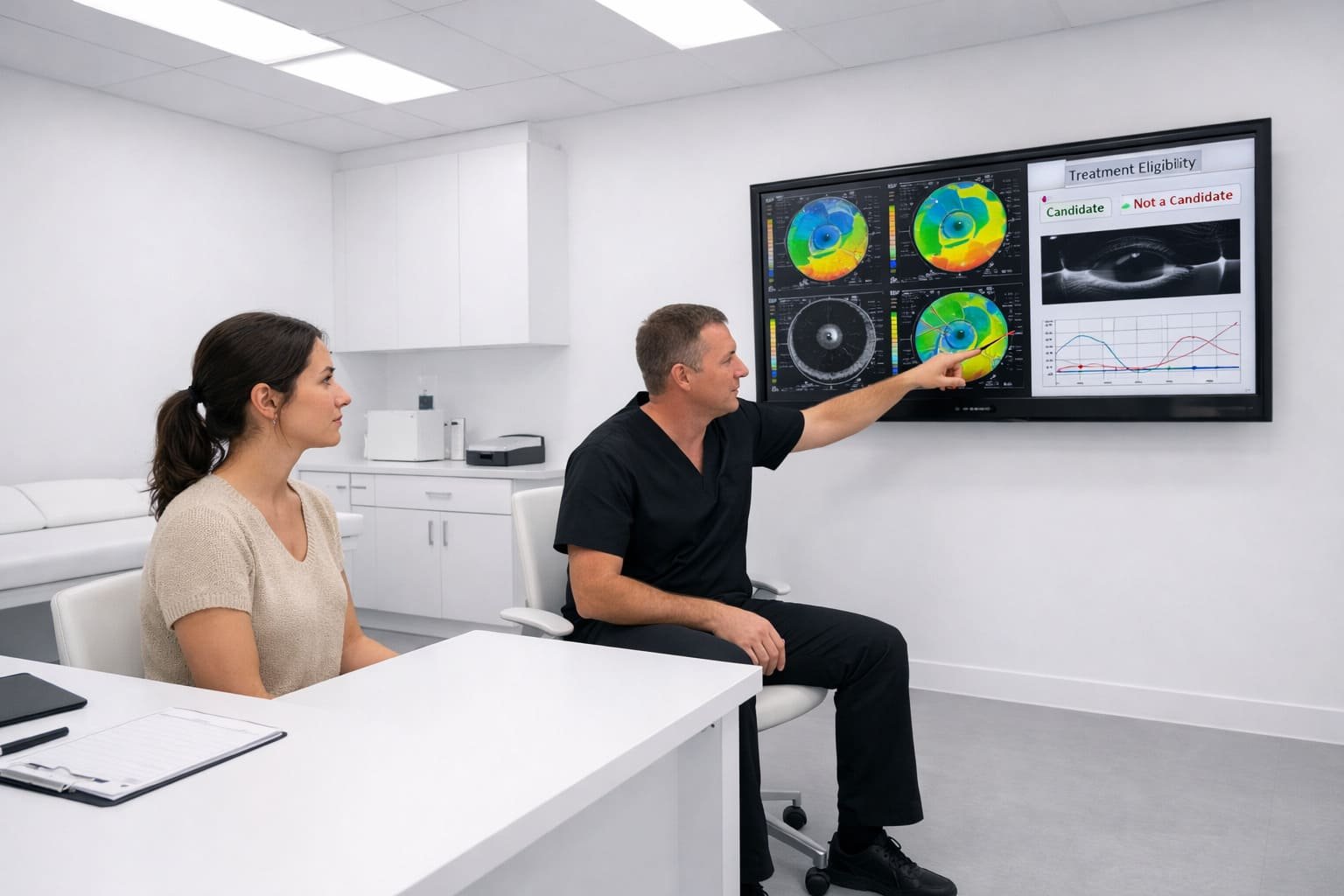
When considering surgery, ask about all treatment options, including lens choices and follow-up care, to align with your lifestyle.
What to Expect from Modern Eye Surgery: Procedures, Recovery, and Outcomes
Modern eye surgery covers several different procedures, and each suits a different stage of life and prescription pattern. Cataract surgery removes a cloudy natural lens. Lens replacement surgery removes a clear or early ageing lens to correct sight and presbyopia. LASIK reshapes the cornea using a laser beneath a thin flap, while TransPRK is a surface laser treatment with no flap. Implantable contact lens surgery, or ICL, places a lens inside the eye without removing the natural lens.
The starting point is always consultation. Measurements are taken, the front and back of the eye are examined, and the discussion covers suitability, risks, expected benefits, and likely trade-offs. If surgery is appropriate, the surgeon should explain what the treatment can reasonably improve and what it may not change.
On the day itself, most eye procedures are carried out with anaesthetic drops rather than a general anaesthetic. Patients are awake, but the eye is numbed and the experience is usually quicker than many expect. You may notice light, movement, or water, although you should not feel sharp pain.
Recovery depends on the procedure. Cataract and lens replacement patients often notice visual improvement over days, with steadier refinement over the following weeks. LASIK vision can recover quickly, whereas TransPRK tends to involve a slower return to crisp sight because the surface of the cornea needs time to heal. ICL recovery is often fairly prompt, although follow-up remains important.
Side effects and risks should be discussed plainly. Temporary blur, light sensitivity, dry eye symptoms, glare, halos, and fluctuations in focus can happen during recovery. Less common complications vary by procedure and by the health of the eye beforehand, which is why thorough consent and aftercare matter so much.
At The Vision Surgeon, patients are assessed and treated by Mr Mukherjee personally, which can be reassuring for people who prefer continuity from consultation through to surgery and follow-up. That consultant-led model is especially relevant if the eye is complex, the prescription is high, or the decision between laser and lens surgery is not straightforward.
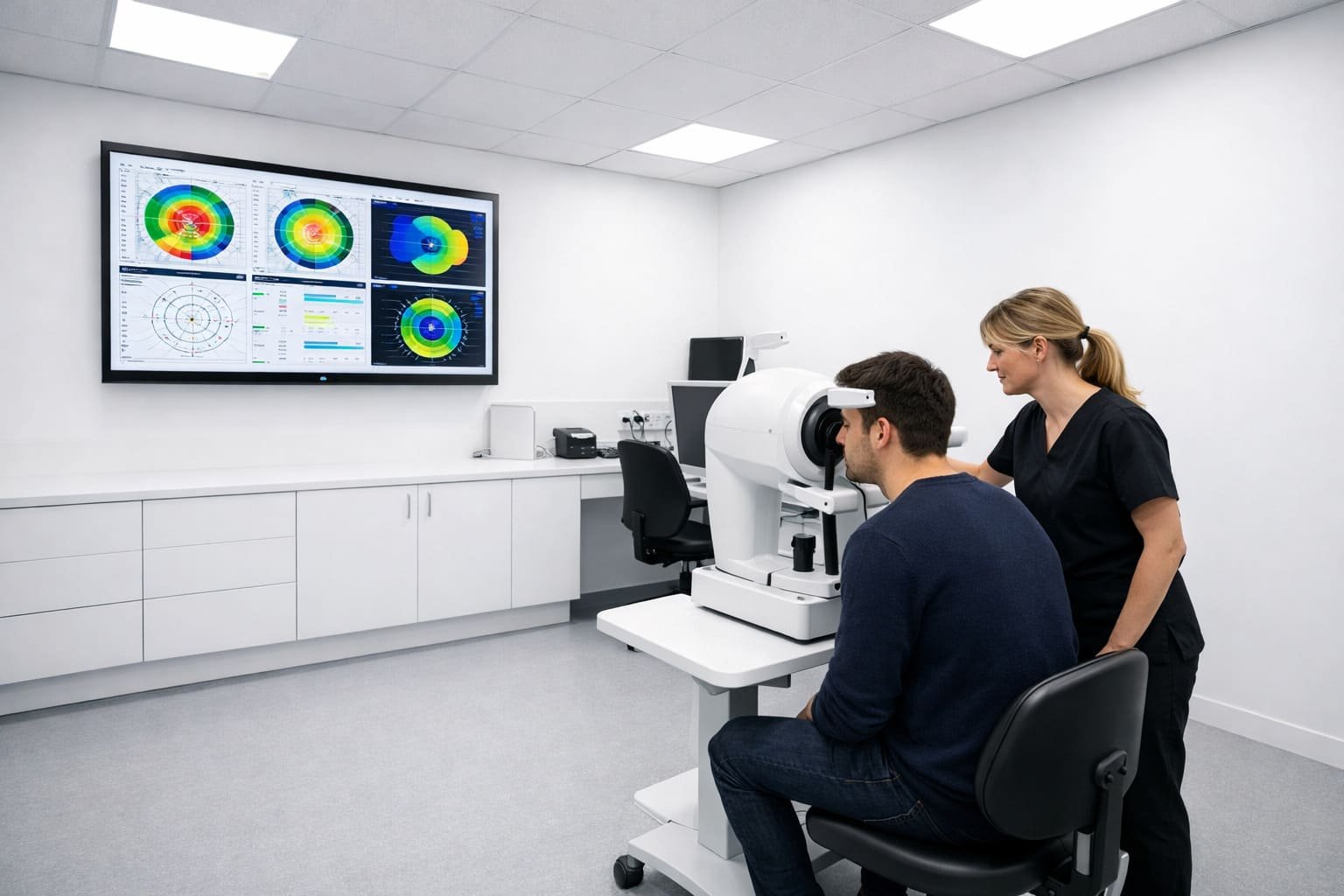
Cost Considerations and Value in Eye Surgery
Private eye surgery costs vary by procedure, lens type, and the challenge of the eye. Good cost guidance should be transparent, but final pricing still depends on individual assessment.
Typical private price ranges in the UK often sit around:
- LASIK: £1,400 to £1,800 per eye
- TransPRK: similar to LASIK
- Cataract surgery or lens replacement: £2,000 to £4,000 per eye
- ICL: about £3,000 per eye
The headline figure rarely tells the whole story. Pricing may reflect the consultation process, surgeon involvement, diagnostic testing, the lens selected, theatre costs, aftercare appointments, and whether advanced options such as premium or multifocal lenses are being considered.
Long-term value often matters more than the initial number on the page. A person who has spent years on glasses, prescription sunglasses, contact lenses, solutions, and repeated eye tests may view surgery differently from someone comparing only the upfront procedure cost. For cataract surgery and lens replacement, value can also include visual convenience, independence, and reduced reliance on several pairs of spectacles.
Consultant-led care has its own value consideration as well. Some patients place real weight on being seen by the same surgeon throughout, particularly when discussing premium lenses or balancing the pros and cons of private cataract surgery against an NHS pathway. A cheaper quote can look attractive until the details of continuity, lens choice, and follow-up become clearer.
Get answers to your questions about surgery, aftercare and the benefits of consultant-led treatment.
Message UsLooking Ahead: Protecting Your Vision and Making Informed Choices
Growing older does not automatically mean serious sight loss, and it certainly does not mean surgery is inevitable. Many vision changes with age are manageable, and several eye conditions can be treated effectively when they are picked up at the right time.
Protecting eyesight as you age starts with ordinary habits:
- Keep up with regular eye tests, even if your vision seems stable
- Mention any sudden change in blur, distortion, pain, or floaters promptly
- Manage general health conditions such as diabetes and blood pressure carefully
- Wear appropriate UV protection in strong sunlight
- Give dry, tired eyes regular breaks from long screen sessions
One common myth is that worsening sight is always “just age”. In practice, blurred vision, glare, patchy side vision, or a quick change in prescription may deserve a proper assessment instead of acceptance.
Medical guidance from bodies such as the NHS and the Royal College of Ophthalmologists supports the same broad principle: regular review, early intervention where needed, and informed consent before any treatment. Whether you eventually choose glasses, drops, monitoring, laser treatment, or surgery, the strongest position is an informed one.
Aging eyes change, but they do not become unimportant or untreatable. Paying attention to what your vision is telling you, and acting on meaningful changes, gives you the best chance of staying confident in the years ahead.