Is SMILE better than LASIK or TransPRK for your eyes?
SMILE is not automatically better than LASIK or TransPRK. All three reshape the cornea, the clear front window of your eye, but they reach the treatment area in different ways. We judge the right option by your scans, prescription, dry eye pattern, age, work, and visual goals.

The short answer: SMILE is different, not automatically better
SMILE laser eye surgery, LASIK and TransPRK are all types of laser vision correction. Each aims to reduce dependence on glasses or contact lenses by changing how the cornea focuses light. The difference lies in how the surgeon accesses the corneal tissue that needs treatment.
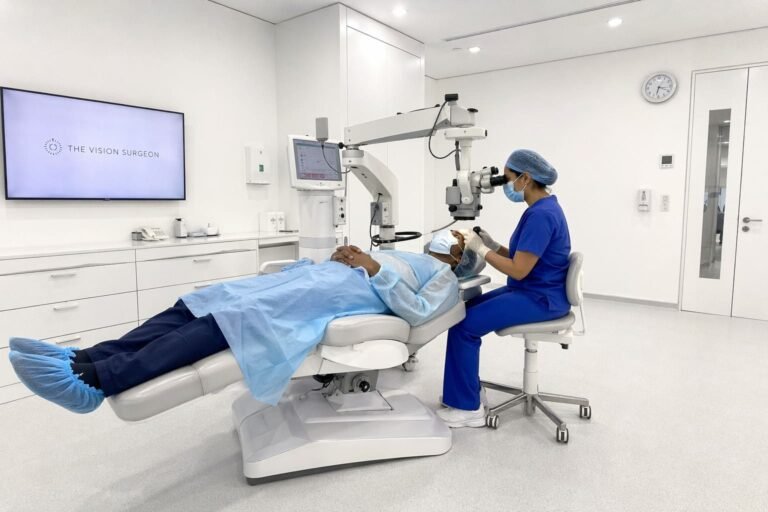
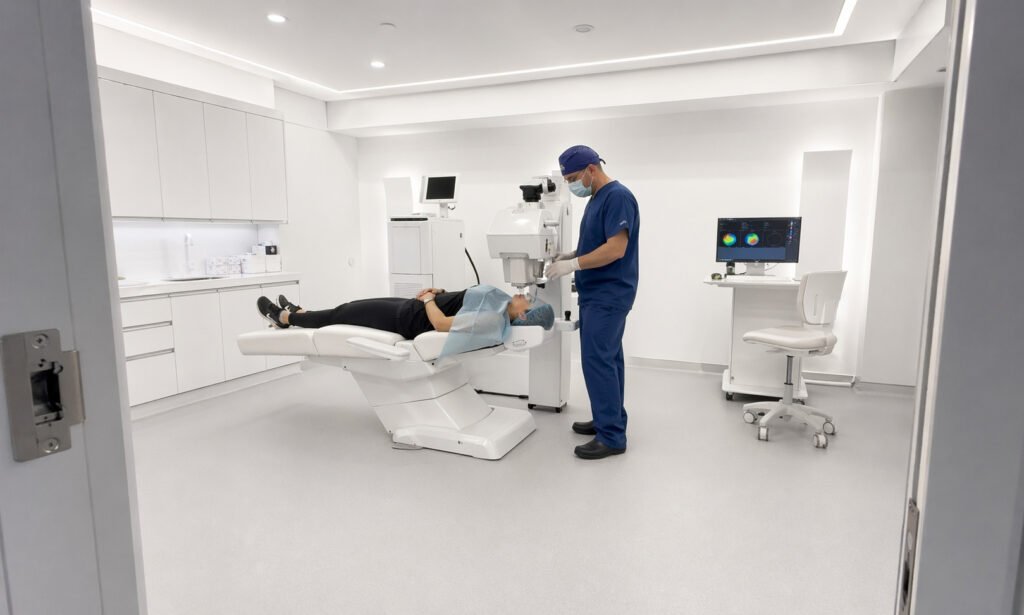
SMILE removes a small lens-shaped piece of tissue, called a lenticule, through a small incision. LASIK, which means Laser-Assisted In Situ Keratomileusis, reshapes the cornea beneath a thin flap. TransPRK is a surface laser technique, with no flap, where the laser works from the front surface of the cornea.
That is why the usual SMILE vs LASIK or SMILE vs TransPRK question needs care. A newer-sounding procedure does not automatically fit your eye better. We start with suitability, because the same procedure that suits one prescription, corneal shape and lifestyle may be the wrong discussion for another.
Discuss your vision goals with our experienced consultant and receive a thorough personal assessment.
EnquireThe access method changes the trade-offs
Procedure names matter less than the route into the cornea. SMILE uses a lenticule approach, LASIK uses a flap, and TransPRK treats from the surface. Those access methods affect recovery, comfort, dry eye discussion and the kind of cornea each option can suit.
The US Food and Drug Administration patient booklet describes SMILE as creating and removing a disc-shaped lenticule through a small incision. NICE HealthTech guidance HTG107 describes LASIK as flap-based corneal reshaping and PRK as surface treatment after removal of the thin outer corneal layer. TransPRK is a modern surface laser approach where an excimer laser, a laser used to reshape corneal tissue, treats both the surface layer and the tissue beneath it.
| Procedure | How access works | What this changes in practice |
|---|---|---|
| SMILE | A femtosecond laser, an ultra-precise laser, creates a small lenticule inside the cornea, which is removed through a small incision. | No corneal flap is made, but suitability still depends on prescription, corneal shape and eye surface health. |
| LASIK | A thin corneal flap is created, lifted, and the excimer laser reshapes tissue beneath it before the flap is replaced. | Early visual recovery is a major attraction for many people, although flap-related considerations form part of consent. |
| TransPRK | The excimer laser treats from the surface without creating a flap. | No flap is made, but early surface discomfort and visual settling differ from LASIK. |
“Flapless” needs careful reading. SMILE and TransPRK are both flapless, but they are not the same operation. SMILE works through a small incision and lenticule removal; TransPRK works as surface laser eye surgery. If you compare only the word flapless, you miss the part that affects recovery and suitability.
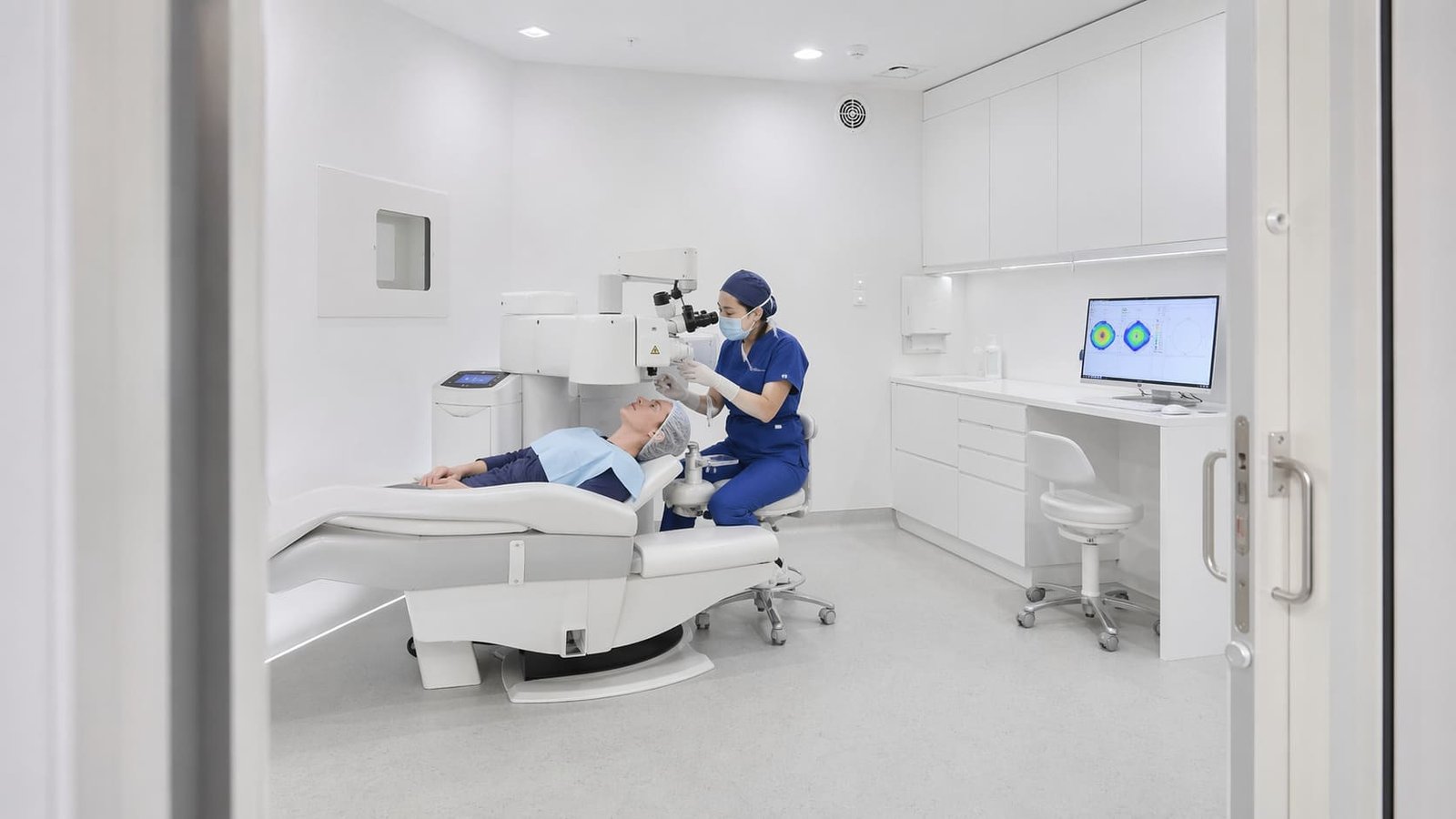
Patients often focus on flap or flapless treatment first, but corneal mapping and dry eye assessment usually decide the safer option. A good consultation should explain why one procedure is preferred over another.

Why suitability beats procedure branding
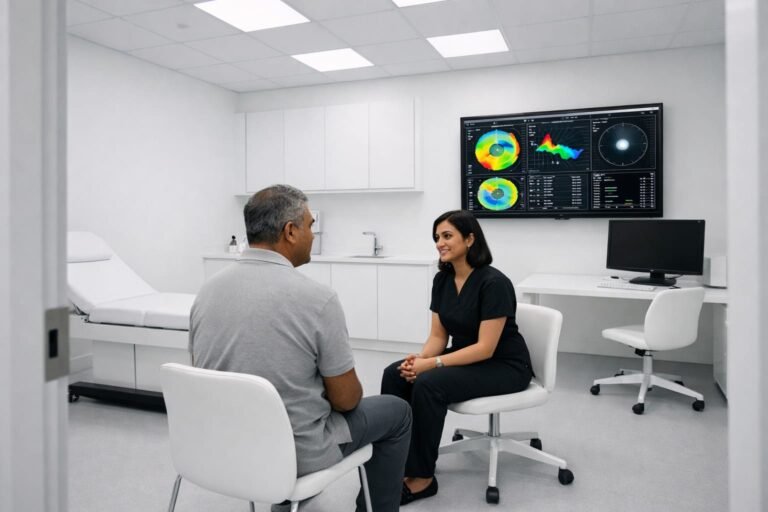
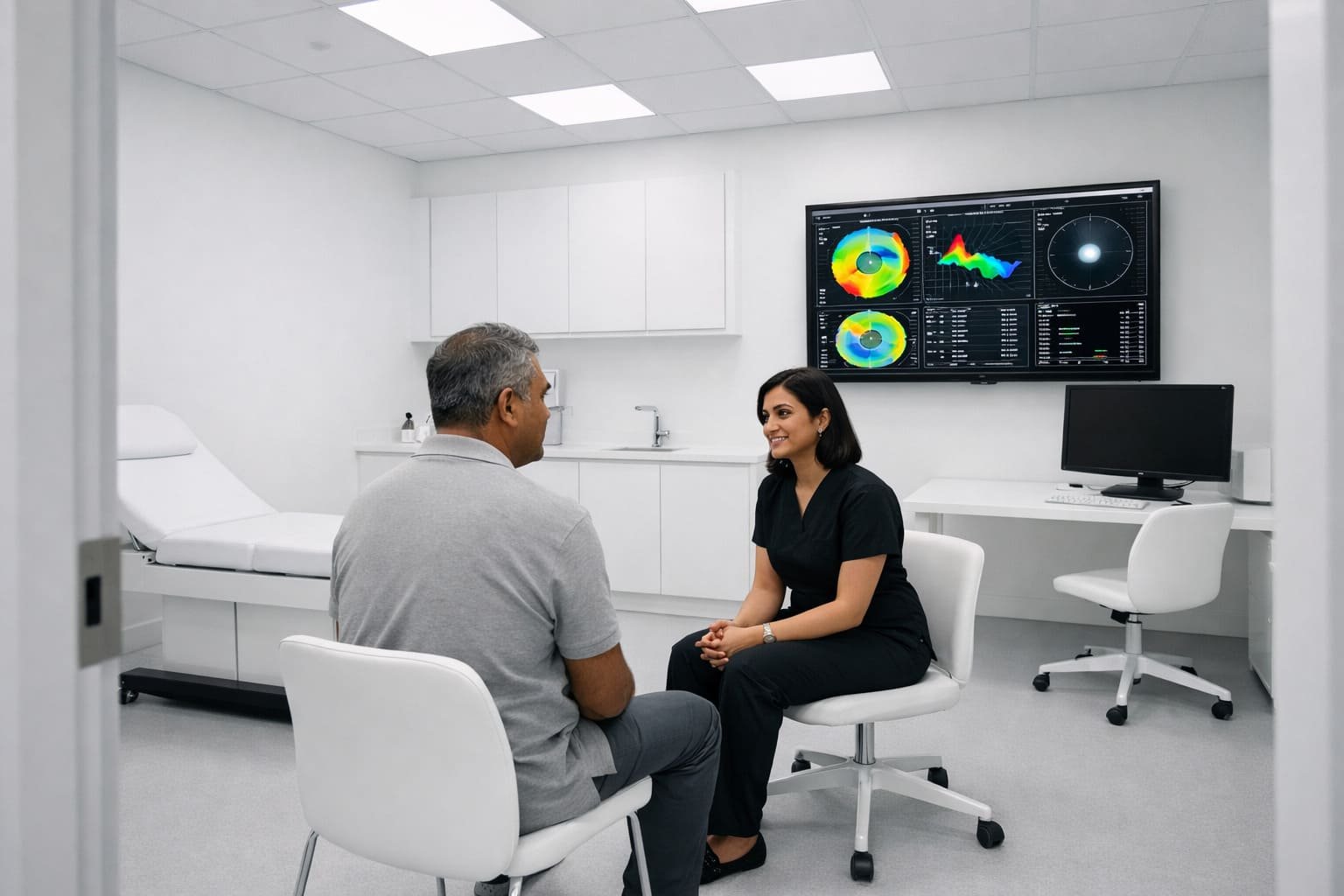
A patient can arrive asking for SMILE because it sounds less invasive, yet the scans may point the discussion somewhere else. We need to know how thick and regular the cornea is, whether the prescription is stable, and whether dry eye symptoms could affect comfort after treatment.
At The Vision Surgeon, we treat procedure choice as a clinical recommendation, not a menu choice. The key checks include:
- Corneal mapping. Corneal topography and tomography map the shape and structure of the cornea, so we can look for warning signs such as keratoconus, a thinning and bulging condition that distorts vision.
- Prescription and stability. Short-sightedness, called myopia, and astigmatism, where focus is uneven, need precise measurement rather than guesswork from an online description.
- Eye surface health. Dry eye matters because laser treatment can affect comfort, especially if the tear film is already poor.
- Age and reading vision. Presbyopia is the normal age-related loss of near focus, and corneal laser surgery does not stop that change.
- Your work and sport. Screen-heavy work, night driving, contact sports and tolerance for recovery time all change the discussion.
Thin corneas may move the conversation away from LASIK, but they do not make TransPRK or SMILE suitable by default. A surface treatment can be useful for some corneas, while other eyes need a lens-based option such as refractive lens exchange, also known as lens replacement surgery, or an implantable contact lens, which is a lens placed inside the eye without removing the natural lens.
Around 40 and beyond, reading glasses deserve a direct conversation. Laser eye surgery can correct distance focus in the right eye, but it does not stop the natural ageing of near vision. A responsible plan includes what your vision may need later, as well as what looks attractive now.
The practical differences include recovery, risk and cost
Marketing descriptions do not tell you enough about daily life after treatment. Recovery pattern, consent risks and cost all need plain discussion before anyone can sensibly compare SMILE, LASIK and TransPRK.
Comfort and vision recovery
LASIK is widely associated with faster early visual recovery for suitable patients, because the treatment is performed beneath a flap and the surface layer is not treated in the same way as surface laser. That speed is one reason LASIK remains relevant, provided the cornea is suitable and flap considerations are acceptable.
TransPRK has a different recovery curve because treatment starts at the corneal surface. Early discomfort and slower visual settling are part of that discussion, although the absence of a flap can make it a better fit for selected patients. SMILE also avoids a flap, but its small-incision lenticule method is a separate approach again.
Risks and realistic expectations
No laser procedure guarantees perfect unaided vision. Proper consent covers the possibility of under-correction, over-correction, regression, dry eye, glare, halos, light sensitivity and night driving symptoms, along with rare but serious issues such as infection.
NICE says patients considering photorefractive laser surgery should understand both the benefits and the potential risks, including failure to achieve the expected improvement in unaided vision, new visual disturbances, corneal infection and flap complications. We see that as a practical consent standard. The discussion has to match the specific procedure, not sit in a generic leaflet.
Reading glasses are a separate point. If presbyopia is already starting, distance correction will not remove the normal need for near help in every situation. Some people accept that trade-off easily; others are better served by a lens-based option after assessment.
Cost and value
Cost belongs in the conversation, but a low headline price tells you little unless you know who assesses you, who performs the surgery and what aftercare is included. For LASIK, our indicative guide is £1,400 to £1,800 per eye, with TransPRK in a similar range once your treatment plan is confirmed.
SMILE pricing should not be assumed from that figure, and we would not use cost to push a procedure that does not fit your eyes. The better comparison is value: accurate assessment, clear recommendation, surgeon continuity and a plan that accounts for your longer-term vision.
Readers who are around 40 or older should be reminded that laser vision correction does not stop presbyopia. The article should guide them towards a discussion about distance vision, reading vision and longer term planning.
The clearest choice comes from diagnostic assessment
The decision looks different once you stop asking which procedure wins and start asking what your eyes will safely tolerate. A proper laser eye surgery assessment connects your scans, prescription, eye surface, age and visual expectations into one recommendation.
For patients in Colchester, Essex and Suffolk, the trust question is simple. You should know who is interpreting the diagnostic results and who is responsible for the operation itself. At The Vision Surgeon, Mr Mukherjee assesses and treats patients personally in Colchester, and his Royal College of Ophthalmologists CertLRS qualification reflects specific training in laser refractive surgery.
That continuity matters when the answer is not the one you expected. Your best route may be LASIK, TransPRK, a lens-based procedure, further monitoring, or no surgery. Once you understand that, the web comparison becomes less confusing: you are no longer choosing the most impressive procedure name, you are checking whether the recommendation fits your anatomy, stability, eye surface, age and expectations.

Get answers to your questions about surgery, aftercare and the benefits of consultant-led treatment.
Message UsCommon questions about SMILE, LASIK and TransPRK
Can SMILE treat astigmatism?
SMILE can be used for some short-sighted prescriptions with astigmatism, but suitability depends on the exact prescription, corneal scans and local clinical availability. A consultation should confirm whether SMILE is relevant to your case or whether another option fits better.
Is TransPRK painful?
TransPRK treats the cornea from the surface, so early discomfort is part of the normal recovery discussion. We explain comfort control and recovery expectations before treatment, because the surface approach feels different from LASIK.
Can I have laser eye surgery if I have dry eyes?
Dry eye does not always rule out laser eye surgery, but it must be assessed carefully. We look at your symptoms and eye surface before recommending any procedure, because comfort after surgery matters as much as the prescription result.
Does laser eye surgery stop the need for reading glasses after 40?
Laser eye surgery does not stop presbyopia, the normal age-related change in near focus. If reading vision is already becoming an issue, the treatment plan should address distance vision and near vision separately.
Do I need to travel to London for consultant-led laser eye surgery advice?
Patients across Essex and Suffolk can have consultant-led assessment in Colchester. The main issue is not the city on the clinic sign, but whether the same qualified surgeon assesses your eyes, explains the trade-offs and remains responsible for your care.
This is general information, not medical advice.